Why do employees benefit from team-building?
Corporate team-building is more than just a buzzword in today’s workplaces, though not every employee likes the sound of it. However, long gone are the awkward icebreakers and school-like “circle time” sessions – from nights out to company retreats, team-building activities should be fun, inclusive and the next best thing your staff are looking forward to.
But beyond that, why are they actually important to the workplace and what do employees benefit from it?
Keep reading as we explore the ins and outs of team-building, dive into the numerous advantages it offers, and provide tips on how to make it a successful part of your company’s culture. Whether you’re looking to boost morale, increase creativity, or strengthen relationships within your team, this guide has everything you need to get started.

What is team-building?
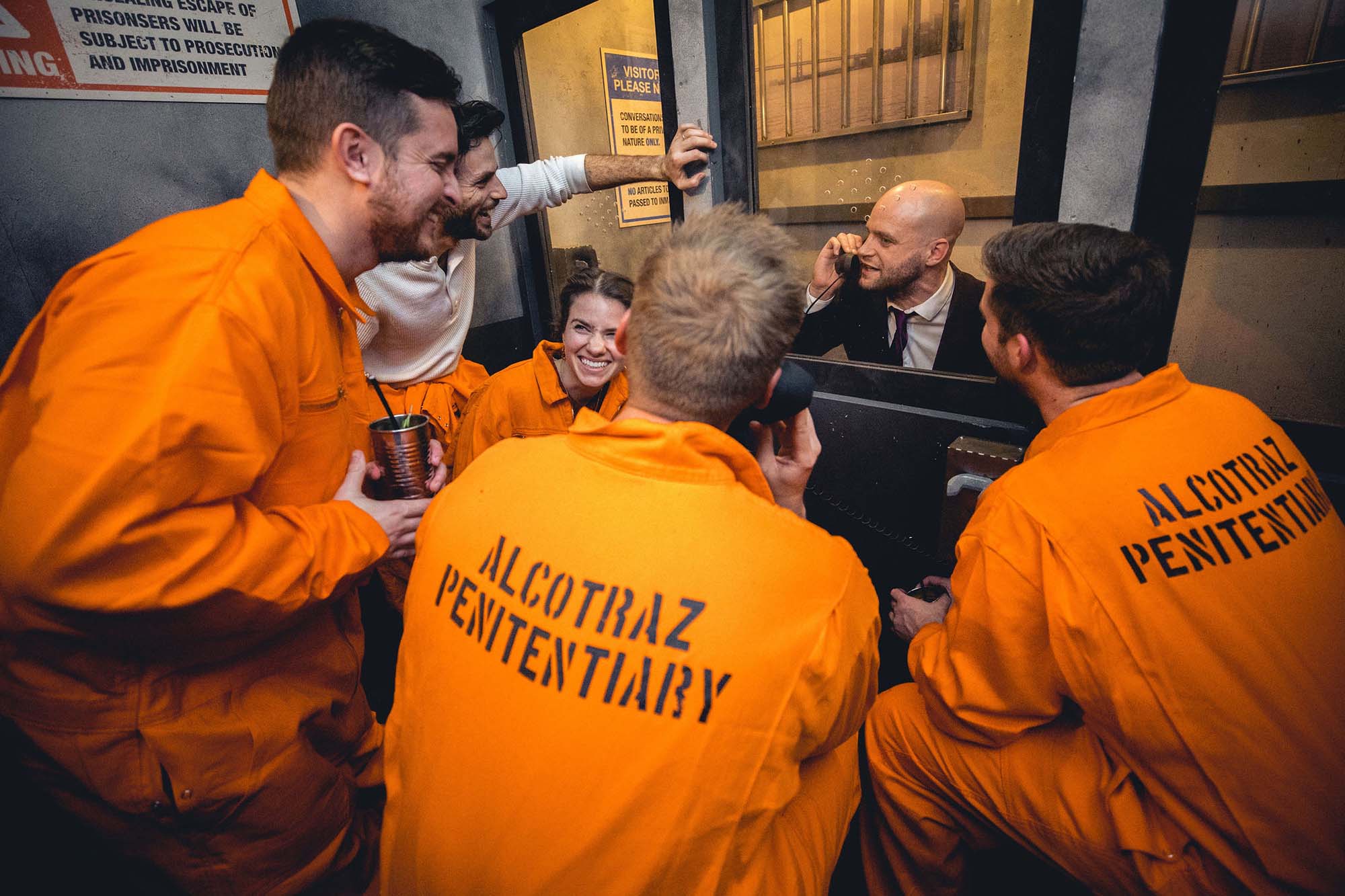
Team building is the process of fostering collaboration, trust, and communication among a group of individuals working together toward a common goal – usually within a workplace. It typically involves activities, exercises, or events designed to improve interpersonal relationships, enhance problem-solving abilities, and strengthen the team’s overall dynamic.
Tips for effective team building
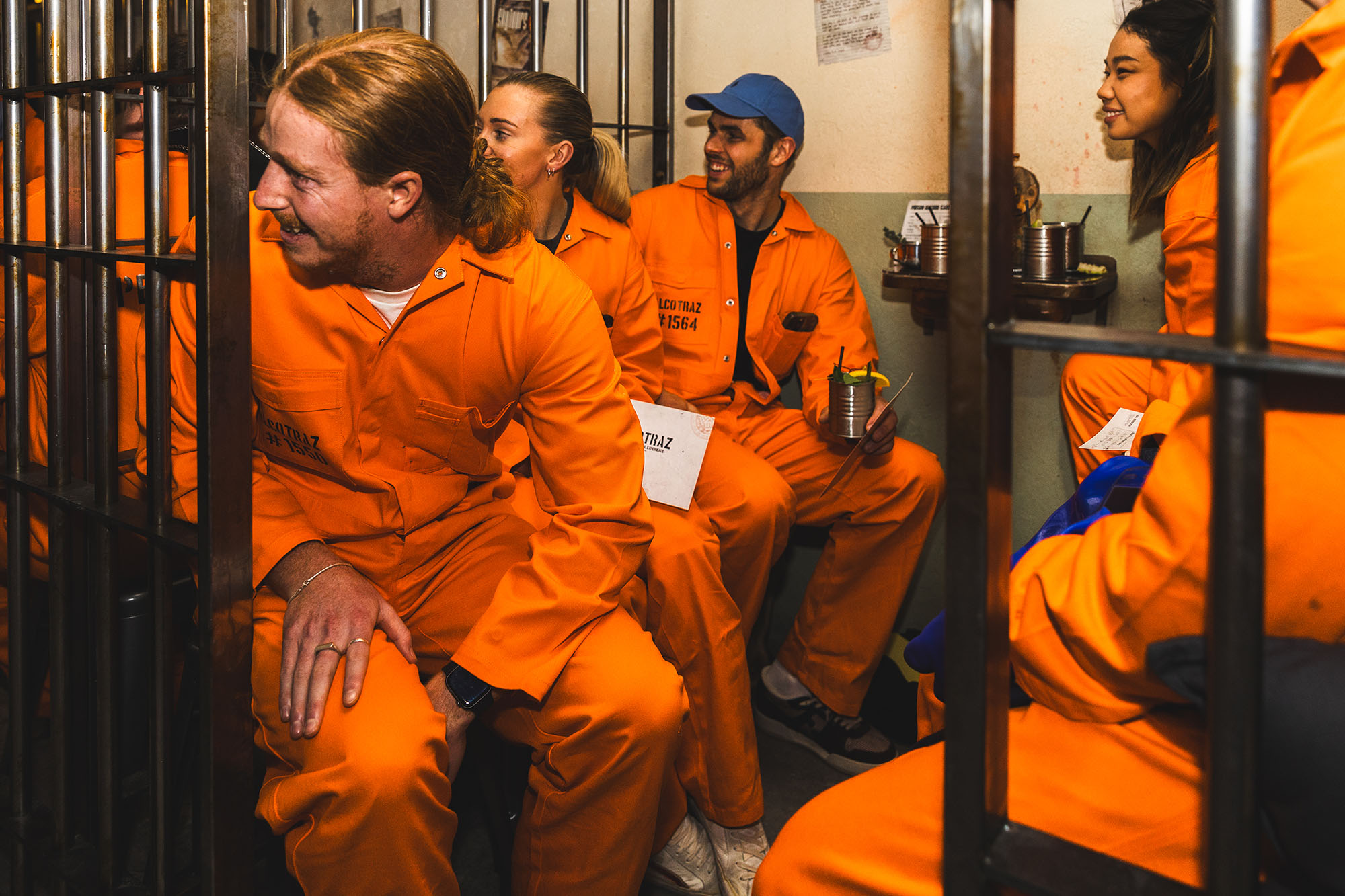
Effective team-building is essential for fostering collaboration, enhancing communication, boosting morale within a team, and much more. But how do you ensure that your team-building efforts are successful?
1. Set clear objectives
Define what you want to achieve with team-building, such as improving communication, fostering trust, or encouraging creativity (to name a few). Then, ensure that the exercises or activities align with the team’s goals and the company’s overall objectives to achieve them.
2. Know your team
Be aware of the team’s dynamics, strengths, and weaknesses – some exercises and activities won’t always suit, so tailor them to address the specific needs of the team.
You also need to consider the diversity within the team, including cultural differences, physical abilities, and personality types. Are the exercises or activities inclusive and accessible for all to join? This could cover everything from a sober night out to venues with disability access.
3. Choose the right activities
Select activities that are relevant to the team’s objectives – for example, problem-solving exercises for improving critical thinking – but also make them engaging and fun. Avoid exercises and activities that may feel forced or irrelevant to team members.
4. Encourage participation
Ensure that all team members are encouraged to participate. Exercises and activities should be inclusive and not leave anyone out. However, whilst participation is encouraged, it’s important that it doesn’t feel mandatory, as this can lead to resistance or resentment.
5. Balance work and fun
Whilst the focus should be on team-building, incorporating fun elements helps keep the team engaged and motivated. Exercises and activities should have a balance of work-related themes and recreational aspects, to reinforce learning whilst still keeping it enjoyable.
6. Be mindful of timing
Choose a time that doesn’t interfere with critical work deadlines or peak periods. Ideally, schedule team-building activities during slower periods, as you don’t want staff stressing on how to fit a bit of fun into their busy schedules.
If your slower period tends to be around the holidays, why not book in your christmas party now and give everyone something to look forward to?
7. Encourage leadership and initiative
Encourage different team members to take the lead in various activities. This helps in developing leadership skills and allows everyone to contribute – especially those without any leadership aspects within their roles.
But then leave them to it. Give team members the freedom to come up with solutions and take ownership of their tasks during the activities – without feeling like the boss is looming over them.
8. Incorporate regular team-building
Make team-building a regular part of your team’s routine, rather than a one-time event. Regular exercises and activities help to maintain strong relationships and reinforce team dynamics. Just be sure to mix up the types of exercises and activities, to keep things fresh and prevent them from becoming repetitive or predictable.
9. Customise to fit your team
Customise the team-building exercises to fit the unique needs and personality of your team – what works for one team may not work for another. Be flexible and willing to adapt the activities if you notice they’re not resonating with the team or if the team’s needs change.
10. Leverage technology
For remote or hybrid teams, leverage online platforms and tools to facilitate virtual team-building activities that can be just as effective as in-person events. Use interactive tools like polls, games, and virtual breakout rooms to keep remote participants engaged.